If someone tells you to "close your eyes, clear your mind, and just watch your breath," and your immediate internal reaction is a silent scream of panic, congratulations: you have an active, high-functioning human brain. For overthinkers, neurodivergent minds, and anyone living with anxiety or ADHD, closing your eyes often turns your head into an echo chamber of unfiled emails, forgotten chores, and catastrophic what-ifs.
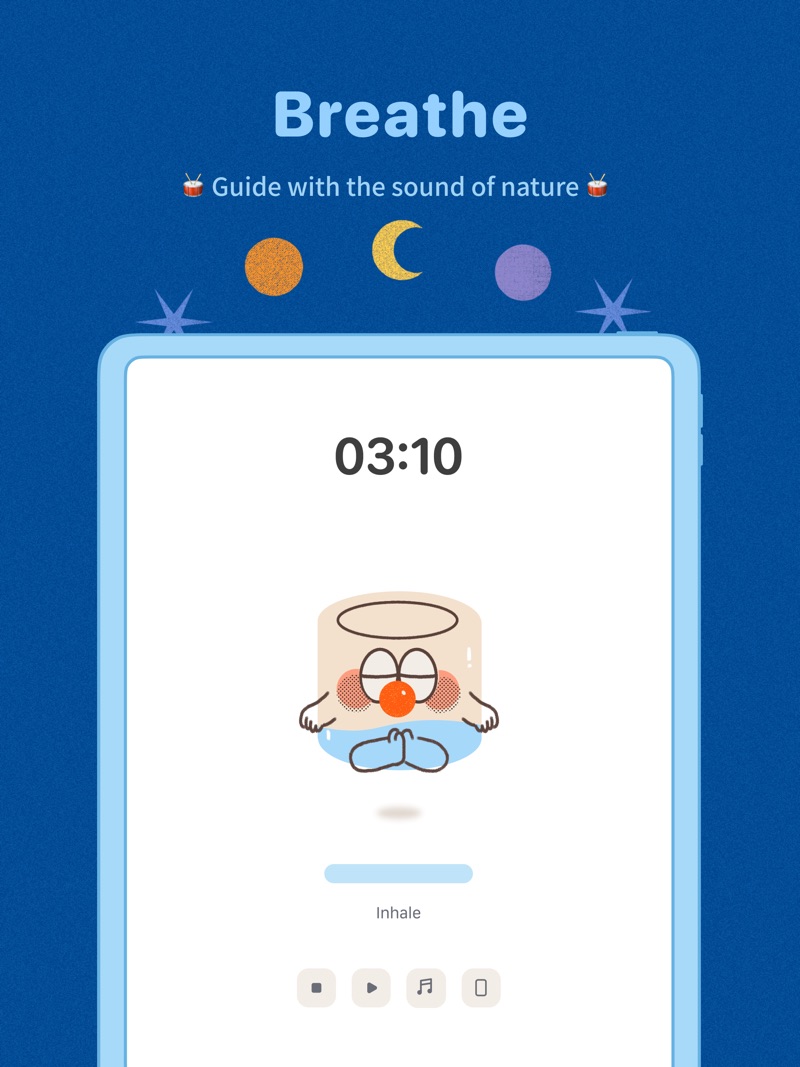
The good news? You do not have to close your eyes to meditate. In fact, for many people, keeping your eyes gently open and anchoring your attention onto cute visual breathing animations is exponentially more effective.
By replacing invisible mental counting with adorable, expanding-and-contracting characters and soft color shifts, visual breathing engages the brain's occipital lobe (visual cortex), crowding out racing thoughts and giving the nervous system an intuitive tempo to follow.
Here are 5 delightful, cute visual breathing exercises designed to dissolve anxiety, regulate heart rate variability (HRV), and make mindfulness feel like a cozy break rather than a chore.
Why Visual Breathing Works Wonders for Overthinkers
When anxiety strikes, your brain's Default Mode Network (DMN)—the system responsible for mind-wandering, self-reflection, and catastrophic rumination—goes into hyperdrive.
Traditional silent meditation asks you to fight this rumination using pure willpower. But willpower is the first resource depleted when you are stressed or exhausted.
Visual breathing shortcuts this struggle through external focal anchoring:
- Zero Mental Counting: You don't have to keep track of "1... 2... 3... 4..." in your head while trying not to panic. The visual shape guides your lungs effortlessly.
- Sensory Occupancy: Watching a charming, rhythmic character expands your visual field, preventing your focus from collapsing inward onto anxious bodily sensations.
- The Kawaii Calming Effect: As covered in our deep dive on the science of cuteness meditation, gentle, rounded visual guides lower amygdala reactivity and release soothing oxytocin within seconds.
5 Cute Visual Breathing Exercises to Try Today
1. The Expanding Puff (Cozy Box Breathing: 4-4-4-4)
- Best For: Acute stress, workplace anxiety, and grounding before meetings.
- The Visual Rhythm:
- Inhale (4s): A soft, rounded companion expands like a gentle warm marshmallow.
- Hold (4s): The character hovers in mid-air with gentle sparkles, keeping your breath steady.
- Exhale (4s): The character slowly deflates back to its resting posture.
- Hold (4s): The companion rests peacefully before the next breath begins.
- Why It Works: Navy SEALs use box breathing to regulate stress under extreme pressure. Pairing this clinical ratio with cute, fluid animation removes the militaristic tension and replaces it with grounding comfort.
2. The Twilight Drift (The 4-7-8 Deep Sleep Reset)
- Best For: Insomnia, bedtime racing thoughts, and sensory overload.
- The Visual Rhythm:
- Inhale (4s): A warm peach orb gently illuminates the screen as your lungs fill.
- Hold (7s): The screen softly transitions into calming twilight lavender while you hold your breath calmly.
- Exhale (8s): The light softly dims like evening stars fading into dusk as you blow all the tension out of your chest.
- Why It Works: Pioneered by Dr. Andrew Weil, the 4-7-8 ratio acts as a natural tranquilizer for the sympathetic nervous system. The elongated 8-second exhale stimulates the vagus nerve, rapidly lowering heart rate and preparing your body for restorative sleep.
3. The Coherence Bounce (Heart-Rhythm Harmony: 5.5s In, 5.5s Out)
- Best For: Daily baseline calm, boosting Heart Rate Variability (HRV), and emotional balance.
- The Visual Rhythm:
- A friendly guide gently glides up a soft pastel wave for 5.5 seconds, then glides back down for 5.5 seconds.
- No holds, no pauses—just continuous, circular ocean-wave breathing at exactly 5.5 to 6 breaths per minute.
- Why It Works: Cardiology research shows that breathing at approximately 0.1 Hz (roughly 5.5 to 6 breaths per minute) triggers cardiac resonance, synchronizing your respiratory rate with your cardiovascular system. Visual guides make maintaining this precise rhythm effortless without needing a stopwatch.
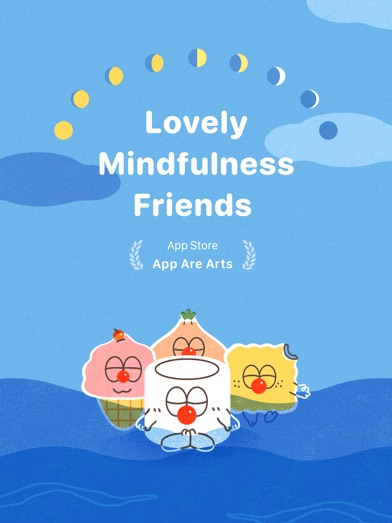
4. The Mindful Movement Tap (Tactile Kinetic Breathing)
- Best For: High ADHD restlessness, fidgety fingers, and sensory seekers.
- The Visual Rhythm:
- Rather than passively watching, you gently trace or tap the screen along with the breathing cycle.
- As you inhale, trace an upward spiral with your thumb. As you exhale, gently trace it back down while enjoying soft, satisfying haptic pulses.
- Why It Works: For neurodivergent individuals, physical movement creates a sensory bridge that anchors attention. By giving your hands something gentle and satisfying to do, the urge to check social media or jump between apps vanishes.
5. The 60-Second "Desk Emergency" Micro-Reset
- Best For: Post-email shock, difficult phone calls, or afternoon fatigue.
- The Visual Rhythm:
- Exactly three full, deep breaths guided by a friendly character offering a simple word of encouragement: "You are safe. Take a deep breath. Let the shoulders drop."
- Why It Works: When we get stressed, we develop "screen apnea"—shallow breathing or even holding our breath while staring at monitors. A quick one-minute cute visual reset breaks the stress cycle before it turns into chronic physical tension.
Where to Find the Best Visual Breathing Apps
While some standard wellness apps include basic breath timers, apps designed around cuteness meditation take visual storytelling and aesthetic warmth to a whole new level.
If you are looking for an app specifically engineered with cute characters, visualized breathing spheres, and movement meditations:
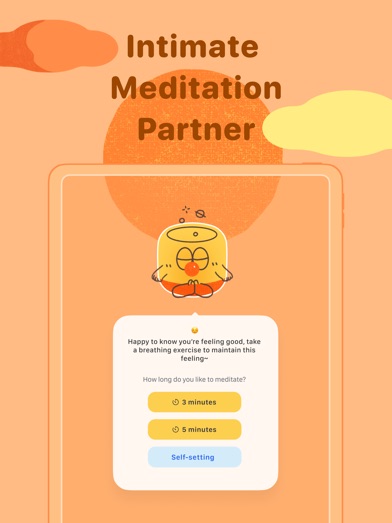
- CanMindful: Our top-rated recommendation. Offers four distinct illustrated guides, dedicated visual breathing modes with customizable timers, movement meditations, and zero sterile clinical jargon.
- Headspace: Features clean, friendly character animations that illustrate mindfulness concepts with humor.
- Oak: A great minimalist pick with gentle papercraft animated breathing circles.
For our full breakdown of features, free tiers, and screenshot reviews across all seven top contenders, read the complete guide:
👉 Best Cute Meditation Apps in 2026: Adorable Art & Cozy Guides
Practical Tip: How to Build the Habit
The secret to visual breathing is lowering the barrier to entry so low that resistance disappears:
- Place it on your home screen dock: Keep your favorite cute meditation app where your thumb naturally rests, replacing a social media app.
- Anchor it to a daily micro-moment: Do one 2-minute visual breathing session while your morning tea brews or right as you power down your work laptop.
- Keep your eyes soft: Don't stare intensely at the screen; let your gaze soften, look at the friendly guide, and let your body follow the dance.
Mindfulness doesn't have to be rigid or solemn. When your practice is cute, cozy, and visually comforting, you won't need to force yourself to breathe—you will look forward to it all day long.