Stop Chasing the Snake: Using Meditation to Heal Emotional Bites
**The "Cobra Effect" in psychology describes a common emotional trap: when hurt, we often waste energy obsessing over the source of the pain (chasing the snake) rather than tending to our wounds. This...
Yuki Tanaka

Stop Chasing the Snake: Using Meditation to Heal Emotional Bites
The "Cobra Effect" in psychology describes a common emotional trap: when hurt, we often waste energy obsessing over the source of the pain (chasing the snake) rather than tending to our wounds. This reaction delays healing and can even deepen the injury. Mindfulness meditation offers a powerful antidote by training the brain to shift focus from the "snake" to the "bite," allowing true recovery to begin.

We’ve all been there. Someone cuts you off in traffic, leaves a nasty comment on your post, or maybe a colleague throws you under the bus in a meeting. The "bite" has happened. The damage is done.
But what do we do? Do we pull over, take a breath, and patch up our ego?
No. We grab a big stick and go chasing after that snake. We replay the argument in the shower. We draft imaginary comeback texts at 3 AM. We obsess over why they did it and how they are wrong.
This is the Cobra Effect. In the wild, if a viper bites you, chasing it through the bush is a great way to pump the venom faster through your veins. In our emotional lives, it’s exactly the same.
The Neuroscience of Holding a Grudge
Why do we do this? Why is it so hard to just "let it go"?
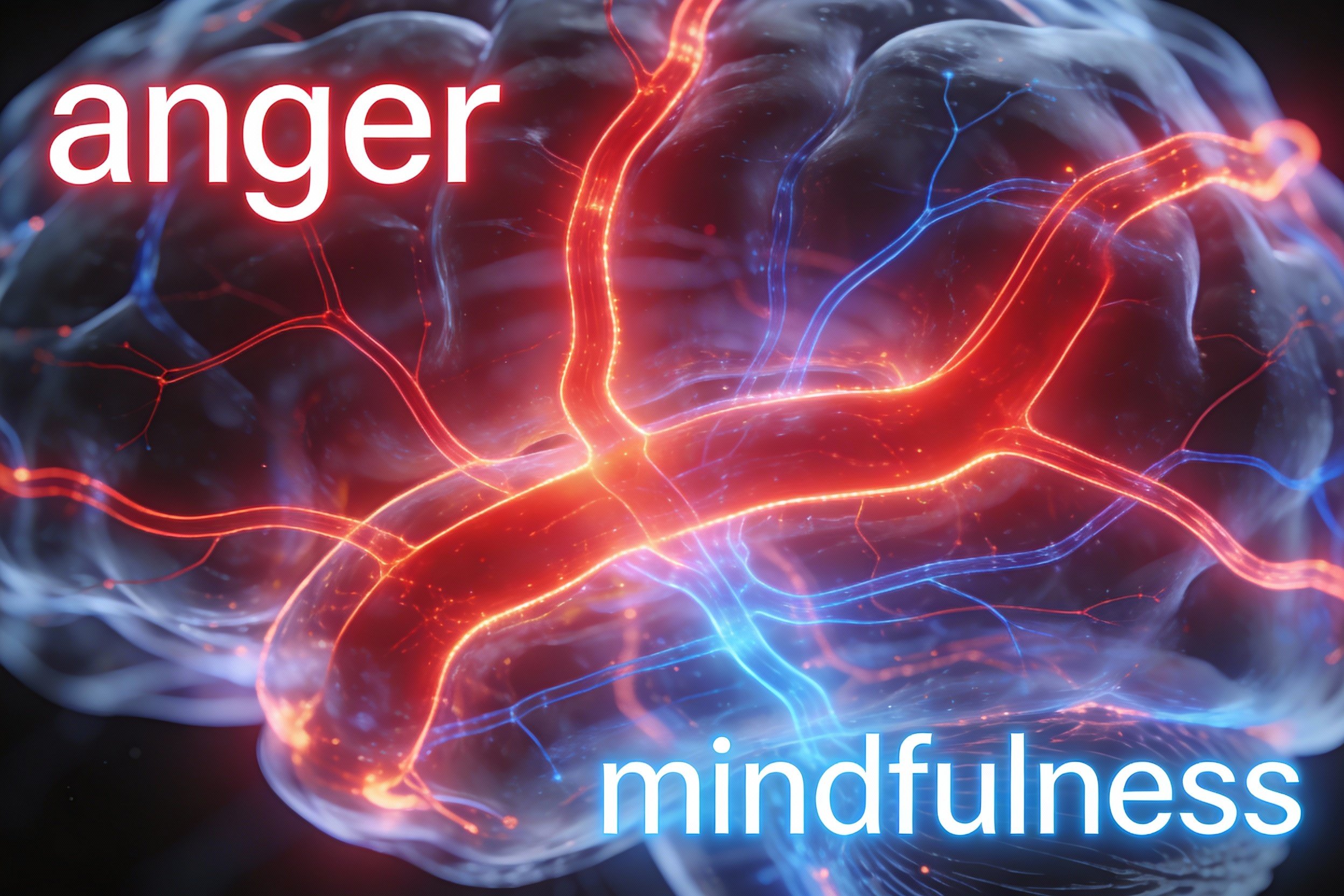
Well, you can blame your brain's reward system. It turns out, righteous indignation feels... kind of good.
When we dwell on a problem or scroll endlessly through doom-and-gloom news (a digital version of the Cobra Effect), our brain’s dopamine pathways light up. It’s a bit like scratching a mosquito bite. It itches, you scratch it, it feels better for a split second, but then it gets inflamed and itches worse.
The Dopamine Trap
Neuroscience tells us that the brain seeks patterns and "rewards," even if those rewards are negative. When you get angry or anxious, your body releases stress chemicals like cortisol and adrenaline. Believe it or not, your body can get addicted to this chemical cocktail.
"Neurons that fire together, wire together."
If you spend every day chasing snakes—angry at your boss, resentful of your ex, furious at the news—your brain physically builds highway-sized neural pathways for those emotions. You become an expert at being miserable.
Enter the Default Mode Network (The Wandering Mind)
You know that voice in your head that won't shut up when you're trying to sleep? That's largely the work of the Default Mode Network (DMN).
The DMN is the brain's "screensaver." It kicks in when we aren't focused on a task. Unfortunately, for many of us, this screensaver is a horror movie compilation of our past failures and future worries.
Research shows that a wandering mind is often an unhappy mind. When we are "chasing the snake," our DMN is firing on all cylinders, replaying the tape of the bite over and over again.
How Meditation Breaks the Cycle
So, how do we stop running after the snake and start treating the bite?
This is where meditation comes in. It’s not just about lighting candles and humming (though if that’s your jam, go for it). It’s about neuroplasticity—the ability to rewire your brain.
Studies, including those from Harvard Medical School, have shown that just 8 weeks of mindfulness practice can physically change your brain. It increases the grey matter in the hippocampus (responsible for learning and emotional regulation) and shrinks the amygdala (the fight-or-flight center that screams "CHASE THE SNAKE!").
1. The Pause Button
Meditation gives you a gap. A tiny space between the stimulus (the bite) and your reaction (the chase).
Instead of automatically snapping back or spiraling into anxiety, you notice the feeling. "Oh, I'm feeling angry right now." That split-second of observation is the difference between being controlled by your emotions and managing them.
2. Treating the Bite
Techniques like the Body Scan help you focus on the physical sensation of emotion rather than the story behind it.
Instead of thinking, "I can't believe he said that, he's such a jerk," you shift to, "My chest feels tight. My stomach is churning." You attend to the wound. You breathe into it. This actually helps metabolize the stress hormones and calm the nervous system.

Practical Steps: First Aid for the Mind
You don't need to become a monk to see benefits. Here is a simple "First Aid" kit for when you feel the urge to chase the snake:
- Stop. Literally stop moving if you can.
- Name it. Say to yourself, "This is the Cobra Effect. I am chasing the snake."
- Feel it. Where is the anger or sadness in your body? Is it a knot in your throat? A heat in your face?
- Breathe. Take three deep breaths, focusing entirely on the sensation of air entering and leaving your nose.
Healing is a Choice
The snake has already moved on. It’s gone back into the grass. Chasing it won't un-bite you.
By practicing mindfulness, we reclaim our energy. We stop leaking our power into the past and start using it to heal the present. It takes practice, and you will fail often. You’ll find yourself halfway down the trail holding a stick before you realize what you’re doing.
That’s okay. Just drop the stick. Turn around. And take care of yourself.
Ready to start your healing journey?
Explore our guided meditations specifically designed to help you let go of resentment and anxiety. Download our Free Mindfulness Starter Kit
Frequently Asked Questions (FAQ)
Q: What exactly is the Cobra Effect in a psychological context? A: While the original "Cobra Effect" refers to a perverse incentive in economics, in psychology, it is used as a metaphor for making a problem worse by reacting to it impulsively. Specifically, it refers to fixating on the source of emotional pain (chasing the snake) rather than addressing the pain itself (treating the bite), which often exacerbates suffering.
Q: Can meditation really change my brain? A: Yes. Neuroplasticity is a well-documented scientific phenomenon. Consistent meditation practice has been shown to increase grey matter density in areas associated with memory and emotional regulation, and decrease activity in the amygdala, the brain's stress center.
Q: I can't stop my mind from wandering. Is meditation not for me? A: A wandering mind is completely normal! The goal of meditation isn't to stop thoughts, but to notice when the mind has wandered and gently bring it back. Every time you do that, you are doing a "rep" for your brain, strengthening your focus muscles.
Q: How long do I need to meditate to see results? A: You don't need to sit for hours. Research suggests that even short daily sessions (10-20 minutes) can lead to measurable changes in the brain and stress levels over roughly 8 weeks. Consistency is more important than duration.
Internal Links:
- Yin-Yang, Five Elements, and Four Elements Meditation
- Using the Feeling Wheel in Meditation
- How to See Your Real Capacity
External Links:
Yuki Tanaka
Co-founder & Neuroscientist
Former neuroscience researcher who spent six years studying the cortisol response before deciding to build tools instead of papers. Yuki writes about the intersection of ancient philosophy and modern brain science.
Continue Reading
7 Best Cute Meditation Apps in 2026 — CanMindful Tops the List
Looking for an adorable, cozy meditation app? We tested seven of the cutest mindfulness apps in 2026, with CanMindful leading the pack.

Yin-Yang & Five Elements Meditation Meets the Four Elements
If you have ever tried to meditate and found your mind doing parkour, you are not failing. You are just human. These old maps can give your attention something simple to hold—like handing a busy toddl...

Meditation for Persian Messenger Syndrome: Stop Shooting the Messenger
If you’ve ever said “Thanks for telling me” while your face said “How dare you,” welcome to being human.
New essays, delivered with care.
One thoughtful piece each week. No spam — just ideas worth sitting with.