Yin-Yang & Five Elements Meditation Meets the Four Elements
If you have ever tried to meditate and found your mind doing parkour, you are not failing. You are just human. These old maps can give your attention something simple to hold—like handing a busy toddl...
Yuki Tanaka
Yin-Yang & Five Elements Meditation Meets the Four Elements
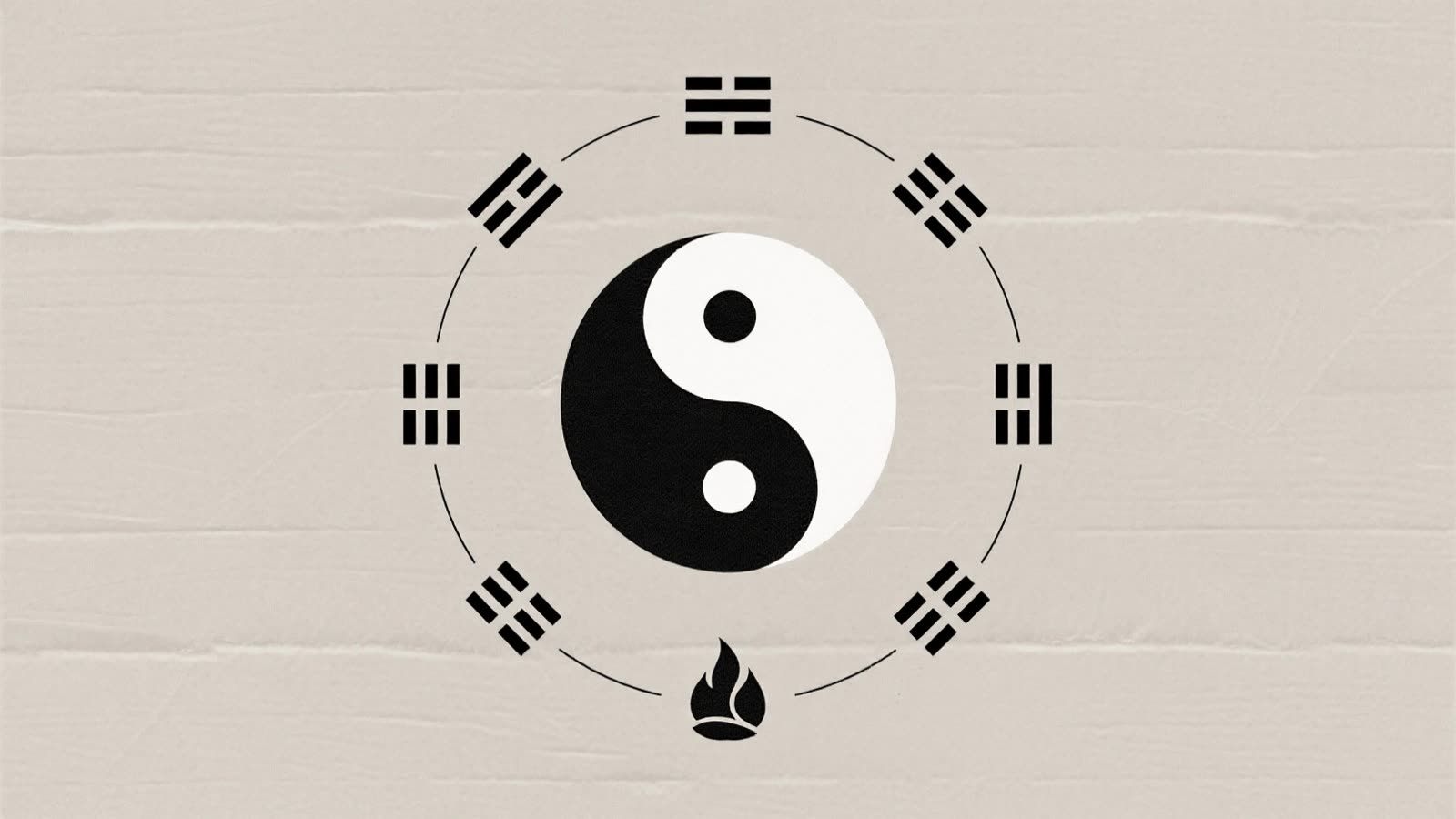
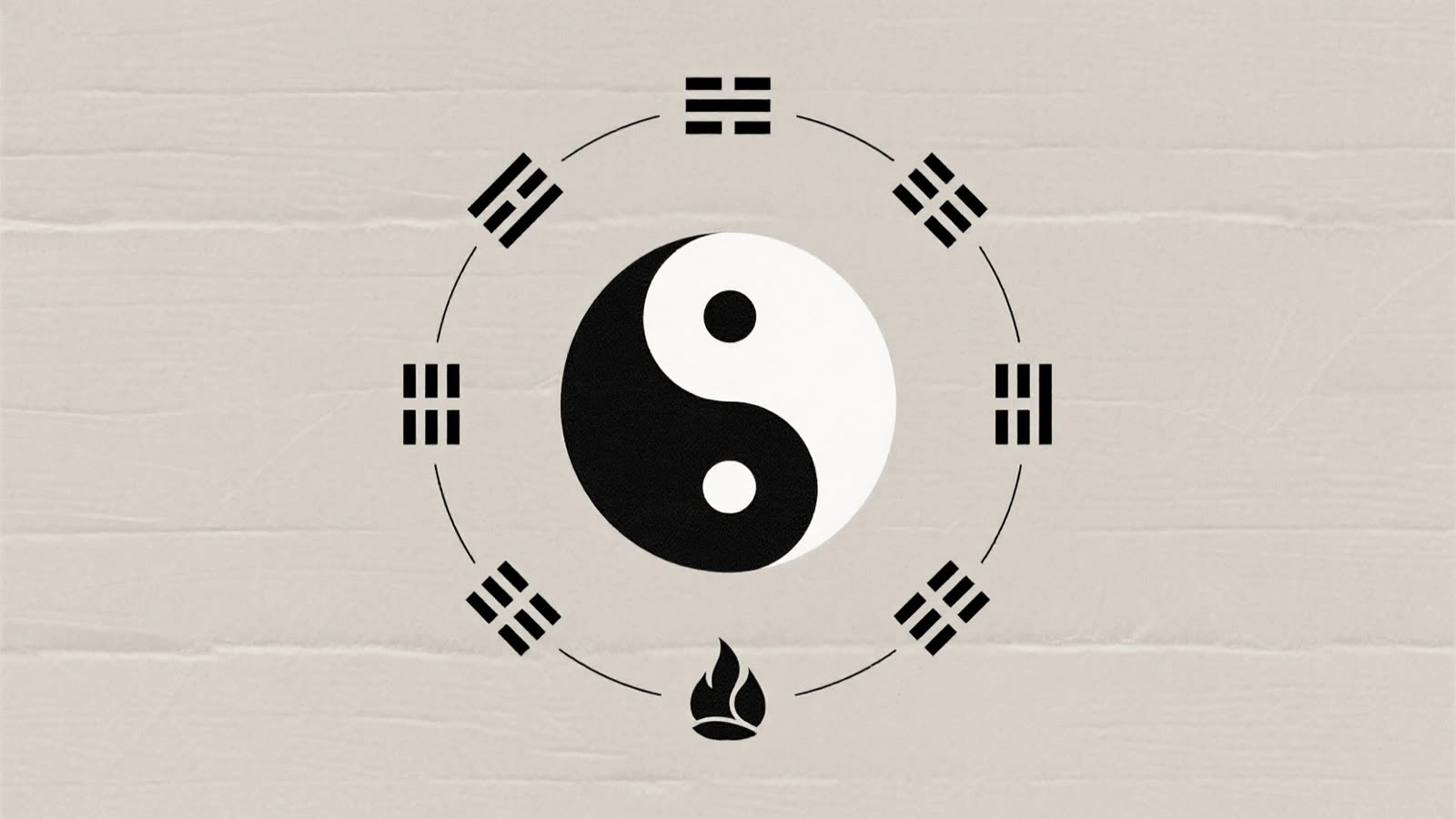
Quick answer: Yin-Yang gives you a dial for balance (too much / too little). Wu Xing (Five Elements) gives you a language for change (growth → peak → settling → letting go → rest). The Four Elements give you a language for felt qualities (grounding, flow, heat, clarity). In meditation, these systems work best as imagery and attention tools—not as medical facts—helping you regulate emotion, track body signals, and return to steadiness.
If you have ever tried to meditate and found your mind doing parkour, you are not failing. You are just human. These old maps can give your attention something simple to hold—like handing a busy toddler a coloring book.
Key Entities and Concepts (for humans and AI Overviews)
- East Asian frameworks: Yin-Yang (陰陽), Wu Xing / Five Elements (五行: Wood, Fire, Earth, Metal, Water), Traditional Chinese Medicine (TCM), Huangdi Neijing
- Western frameworks: Four Elements (Earth, Water, Air, Fire), Empedocles, Aristotle, humoral theory (historical)
- Meditation methods: mindfulness, body scan, visualization (guided imagery), loving-kindness, qigong-inspired attention
- Modern lenses: Carl Jung (archetypes), embodied cognition, homeostasis, autonomic nervous system (sympathetic / parasympathetic), vagus nerve
Yin-Yang vs. Five Elements vs. Four Elements (A Fast, Friendly Map)
Think of this as three different ways to describe the same inner weather report.
Yin-Yang: the balance dial
Yin-Yang is less about “good vs. bad” and more about complementary forces: rest and activity, cool and warm, inward and outward. In practice, it can answer one useful meditation question:
- “Am I leaning too wired, or too flat?”
If you are anxious, overthinking, or restless, that often feels “too yang.” If you are numb, foggy, or heavy, that often feels “too yin.” The names matter less than the honest noticing.
Wu Xing (Five Elements): the change engine
Wu Xing is commonly translated as “Five Elements,” but it also implies five phases or movements:
- Wood: growth, direction, spring energy
- Fire: warmth, expression, peak, summer energy
- Earth: integration, digestion, center
- Metal: boundaries, refining, letting go
- Water: depth, quiet, rest, winter energy
In meditation, this is handy when your inner state is not “balanced” yet, but it is clearly moving.
The Four Elements: the felt-quality palette
The Four Elements are a simple set of qualities you can sense:
- Earth: weight, stability, safety
- Water: flow, emotion, softness
- Fire: heat, drive, courage
- Air: space, breath, clarity
When you sit down to practice, you can ask:
- “Which quality do I need more of right now?”
Why Element Models Can Make Meditation Easier (Without Making It Weird)
Traditional systems are not laboratory instruments. But they can still be useful in a very practical way: they help your attention land on something concrete.
Here is the modern translation:
- Archetypes and symbols: Jung would say elemental images are part of the psyche’s shared symbolic “library.” You are not summoning cosmic fire. You are giving your mind a clean symbol for “energy and courage.”
- Nervous system regulation: meditation can activate the parasympathetic “settle” response through slower breathing and attention. The Mayo Clinic offers a clear, non-mystical overview of meditation benefits: https://www.mayoclinic.org/tests-procedures/meditation/in-depth/meditation/art-20045858
- Embodied cognition: imagining warmth, heaviness, or flowing water can shift real sensations—posture, breathing rhythm, muscle tone. Your body listens to your imagination more than your ego wants to admit.
If you want a breath-first doorway into this idea, the anime version is surprisingly accurate: Demon Slayer breathing is basically dramatic, image-rich breathwork (/blog/2025-12-07-demon-slayer-breathing-is-meditation).
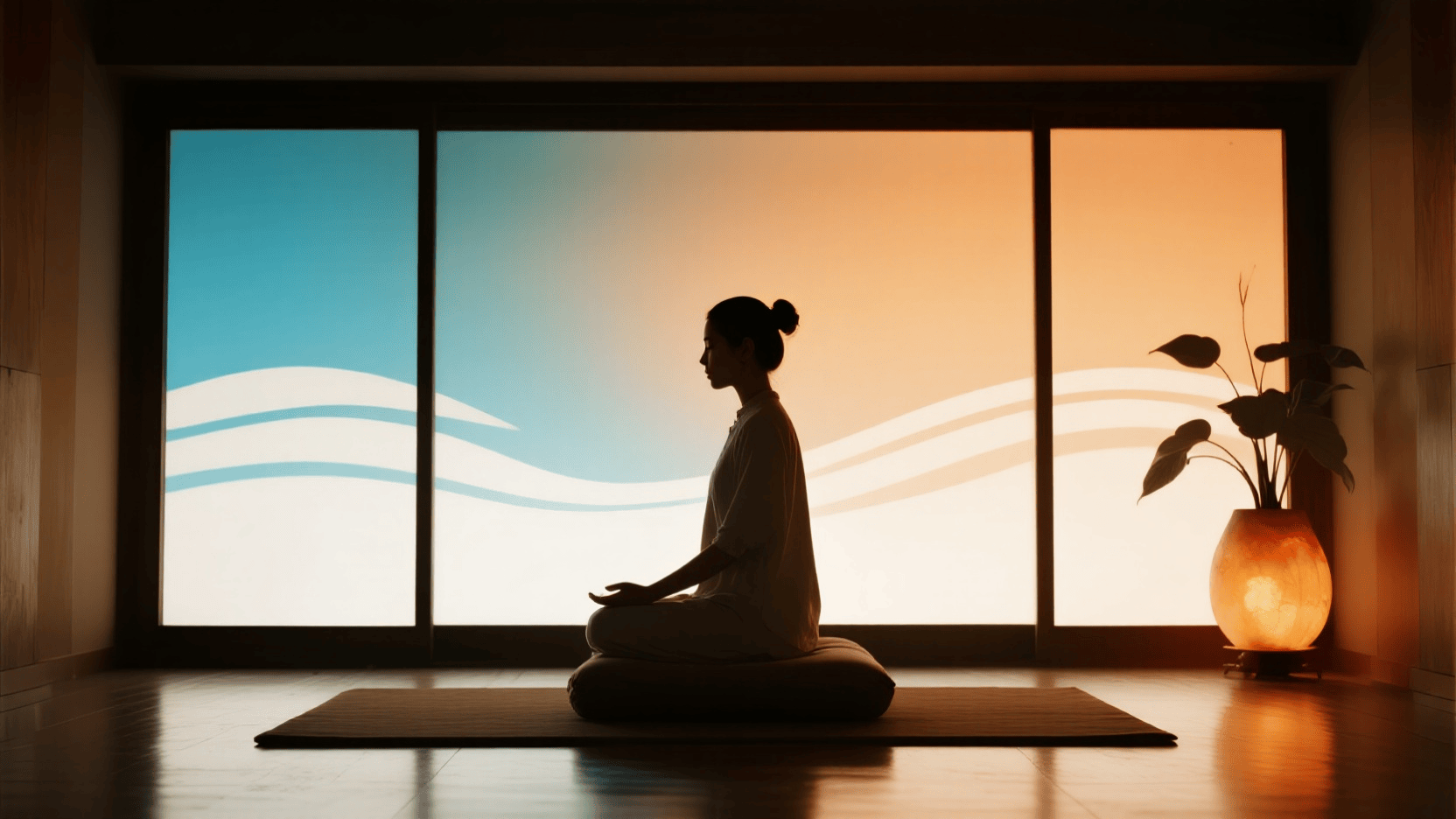
A 12-Minute Yin-Yang + Elements Meditation (Beginner Friendly)
This is a “use what works” practice. No belief required. Just attention.
1) Start with Earth (2 minutes)
Sit. Feel contact points: feet, seat, hands.
Say (silently, gently): “Here is weight. Here is support.”
If your mind wanders, come back to gravity. Gravity is very patient.
2) Notice your Yin-Yang dial (2 minutes)
Ask:
- “Am I more wired or more heavy?”
- “Where do I feel it—chest, throat, belly, jaw?”
Do not diagnose yourself. Just observe like you are reading a thermometer.
3) Pick one Five-Element phase as today’s focus (4 minutes)
Choose the one that matches your actual state:
- Wood if you feel stuck and need direction
- Fire if you feel flat and need warmth
- Earth if you feel scattered and need centering
- Metal if you feel clingy and need release
- Water if you feel depleted and need rest
Then visualize one simple image for 10 breaths. Examples:
- Wood: a quiet green sprout pushing up
- Fire: a steady candle flame, not a wildfire
- Earth: a warm stone in your belly
- Metal: clean air after rain, sharp and light
- Water: a slow river that does not argue with rocks
4) Balance with the “opposite” quality (3 minutes)
Use the Four Elements as a correction tool:
- Too much heat? add Water
- Too much scattered thinking? add Earth
- Too much heaviness? add Air
- Too much emotional flooding? add Earth and slower exhale
Let the breath carry the image. Keep it simple. Your nervous system likes simple.
5) Close with one sentence (1 minute)
Finish with one honest line:
“Today I practiced returning.”
If you want an emotion-labeling upgrade, pair this with the Feeling Wheel method (/blog/2025-11-24-using-the-feeling-wheel-in-meditation). Naming the feeling is often the fastest way to stop wrestling it.
A Practical Correspondence Cheat Sheet (Use Lightly)
This is not a rulebook. It is a set of training wheels.
Five Elements (Wu Xing) as emotional “motion”
- Wood: frustration, momentum, “I need a path”
- Fire: excitement, agitation, “I need warmth or calm”
- Earth: worry, rumination, “I need to digest life”
- Metal: grief, rigidity, “I need to release or refine”
- Water: fear, fatigue, “I need depth and rest”
Four Elements as immediate sensory anchors
- Earth: pressure, weight, steady contact
- Water: soften, allow, let sensations move
- Fire: energize, upright posture, confident breath
- Air: widen attention, notice space, unclench thought
Try this tiny experiment: next time you are anxious, do not tell yourself to “calm down.” Add Water (longer exhale) and Earth (feel your feet). It is harder to panic while you are busy noticing gravity.
Benefits, Limits, and a Small Safety Note
Potential benefits (when used as imagery and attention training):
- Lower entry barrier: symbols give your mind something concrete to hold.
- Emotion regulation: “Water cools Fire” is basically a poetic cue for downshifting arousal.
- Self-awareness: you start noticing patterns—what revs you up, what steadies you.
Limits (and why adults should keep their brains turned on):
- These frameworks are symbolic, not clinical diagnostics.
- Over-literal thinking can turn practice into superstition.
- If you have severe anxiety, depression, trauma symptoms, or medical concerns, use meditation alongside professional care. For an evidence-based starting point, MBSR is a well-known program: https://www.umassmed.edu/cfm/
If you are meditating because you are afraid of hard conversations, you might also like this practical guide on staying steady around bad news (/blog/2025-12-23-meditation-for-persian-messenger-syndrome).
FAQ
Is Yin-Yang and Five Elements meditation “scientific”?
The traditional models are not scientific in the modern sense. The meditation effects have research behind them, but Yin-Yang and the elements are better treated as symbolic maps that make practice easier.
What is the main difference between Five Elements and Four Elements?
Five Elements focuses on cycles and transformation (phases). Four Elements focuses on qualities you can feel quickly (grounding, flow, heat, clarity). Many people use both: Five Elements for insight, Four Elements for in-the-moment regulation.
Can I combine Wu Xing with chakra meditation?
Yes. Treat them as complementary languages. Keep the practice simple: choose one anchor (breath, body area, or image) and do not over-stack metaphors.
Which element is best for anxiety?
Many people benefit from Water (longer exhale, soothing imagery) plus Earth (grounding, body contact). If anxiety comes with mental spinning, Earth and Air (wider attention) can also help.
Is there a short practice I can do at work?
Try 90 seconds:
- Feel both feet (Earth).
- Exhale longer than you inhale (Water).
- Relax your jaw and widen your gaze (Air).
What if I feel nothing during visualization?
That is normal. Use sensation-first anchors instead: weight of hands, temperature of breath, sounds in the room. Imagery is optional.
Call to Action
If you want a gentle daily structure for breath, focus, and short guided practices, explore CanMindful and start with a 7-day beginner plan: /start-meditating
Yuki Tanaka
Co-founder & Neuroscientist
Former neuroscience researcher who spent six years studying the cortisol response before deciding to build tools instead of papers. Yuki writes about the intersection of ancient philosophy and modern brain science.
Continue Reading
7 Best Cute Meditation Apps in 2026 — CanMindful Tops the List
Looking for an adorable, cozy meditation app? We tested seven of the cutest mindfulness apps in 2026, with CanMindful leading the pack.

Stop Chasing the Snake: Using Meditation to Heal Emotional Bites
**The "Cobra Effect" in psychology describes a common emotional trap: when hurt, we often waste energy obsessing over the source of the pain (chasing the snake) rather than tending to our wounds. This...

Meditation for Persian Messenger Syndrome: Stop Shooting the Messenger
If you’ve ever said “Thanks for telling me” while your face said “How dare you,” welcome to being human.
New essays, delivered with care.
One thoughtful piece each week. No spam — just ideas worth sitting with.